
Learn how AI is reshaping pharma development — and how your team can be part of the shift.
AI is transforming pharmaceutical development from protocol authoring to regulatory submissions.
Explore how Luminari's Digital Twin technology collapses timelines, reduces costs, and brings life-saving therapies to patients faster.


Get instant, expert answers on clinical protocol design, regulatory compliance, and AI best practices. Lumina™ is your on-demand AI assistant, trained on thousands of regulatory documents to guide you through complex decisions in seconds.
Create a profile and login to Explore Lumina™ AI >

Explore Luminari's AI capabilities hands-on with your own data and scenarios.
Test protocol authoring, compliance checks, and workflow automation in a risk-free environment. See firsthand how Luminari transforms weeks of work into minutes.
Create a profile and login to Explore LumiPath™ >

These free courses and resources span the fundamentals of AI through its specific applications in healthcare and pharma. Drawn from Stanford, Coursera, and Anthropic, they're built for professionals at any level — whether you're getting oriented in AI for the first time or already building with it.
-->free online resources available
deep dives into AI + Health
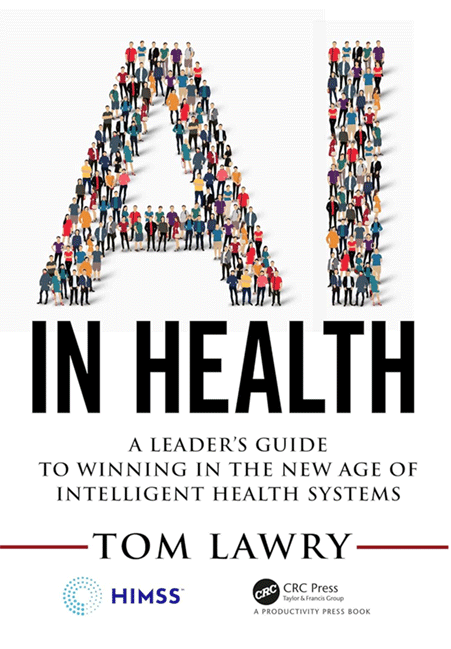
A leader's guide to winning the AI shift in healthcare, with a clear framework for moving organizations from aspiration to intelligent, real-world execution.
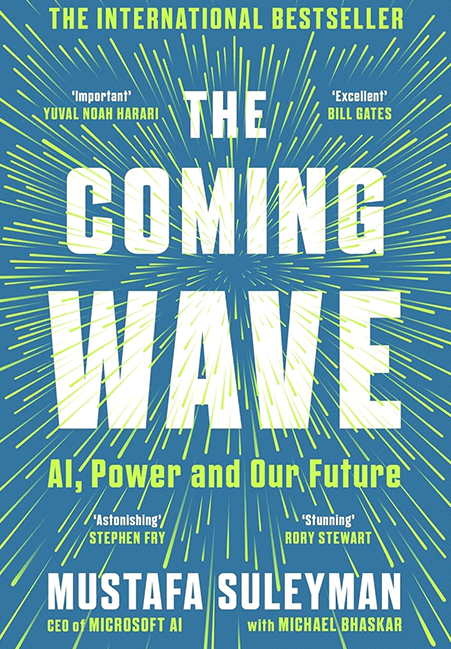
Mustafa Suleyman offers a ground breaking look at AI's rapid rise, exploring how individuals and societies can find a path to a successful future.

Techvisionary Reid Hoffman shares his insider's perspective on an AI-powered future, making the case for its potential to unlock extraordinary possibilities.
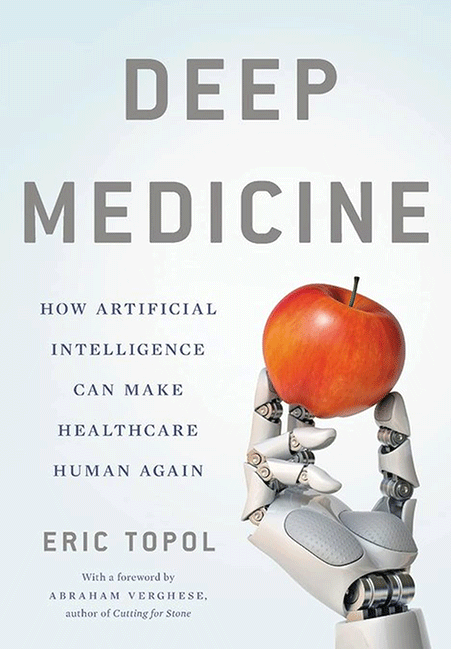
Physician Eric Topol reveals how artificial intelligence can free doctors from administrative burden - restoring the human connection at the heart of meaningful patient care.
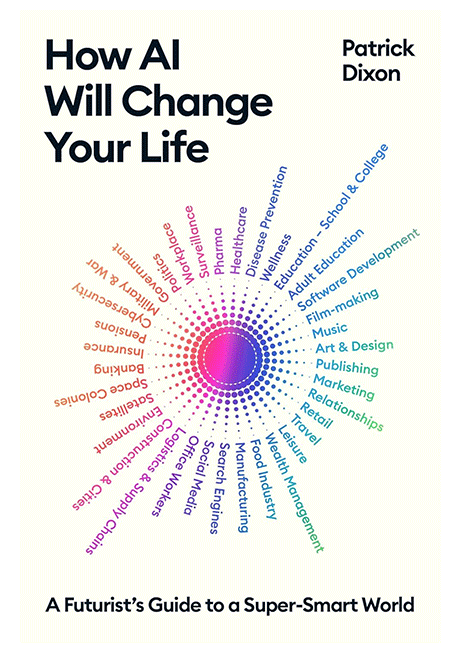
Futurist Patrick Dixon breaks down AI's real-world benefits and risks, helping professionals understand and prepare for the changes already underway.
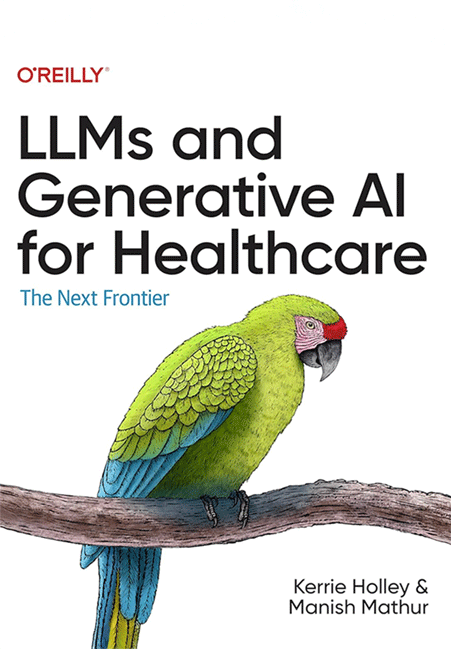
A practical guide for healthcare leaders and researchers on how large language models and generative AI are reshaping care, operations, and pharmaceutical R&D.
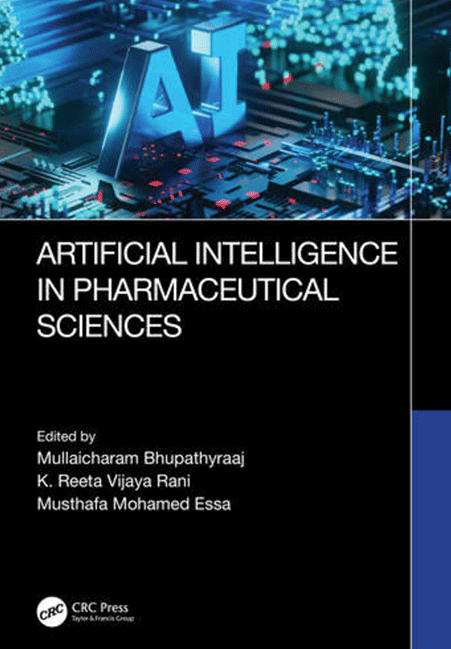
An in-depth guide for pharmaceutical and medical professionals on applying artificial intelligence across drug discovery, formulation, nano safety, and device development.
Frequently Asked Questions To Get Started With.
Real survey data from clinical trial professionals — and the patterns are clear.
33% selected Very Valuable
33% selected Mission-Critical|
0% viewed Al as not valuable
Al-driven trial design is no longer experimental — two-thirds already see it as essential.
The majority of respondents reported protocol design timelines measured in months, not weeks.
Long protocol cycles remain the norm, creating clear opportunity for acceleration.
Over half of respondents indicated feasibility and patient selection alone require multiple months.
Feasibility analysis is a major hidden driver of trial delays.
Patient recruitment delays and protocol amendments were the most frequently selected contributors to inefficiency.
Cost overruns are tightly linked to design decisions made early — before first patient in.
The companies winning in 2026 aren't treating AI as a future consideration; they're running pilots now, proving ROI in real trials, and building the muscle memory that turns months into minutes.
Luminari eliminates the risk: purpose-built for regulatory compliance, trained on 10,000+ submissions, auditable at every step, and designed to work with your team, not replace them.
You don't need to revolutionize your entire operation. You need one successful pilot that proves the model. That's the unlock. The rest happens fast. If you're reading the FAQ above, you're already asking the right questions.
The only thing left is deciding whether to stay curious—or become
competitive.
Book a Consultation... or try the LumiPath Sandbox, or Request Pricing - The next strategic step is easier than you might think!